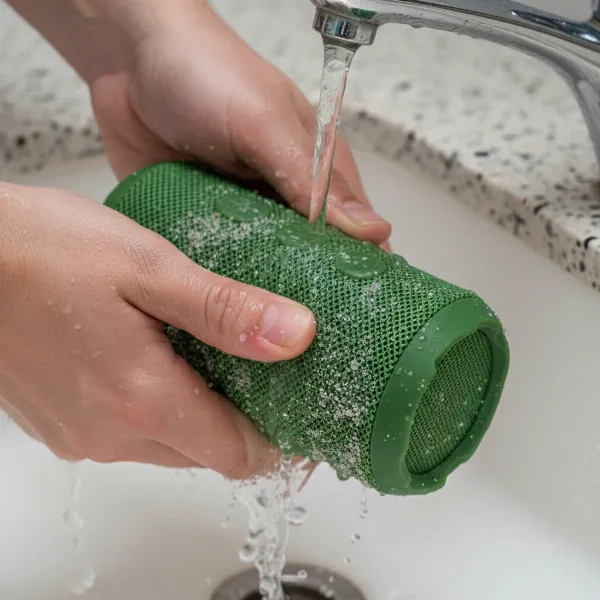
It’s easy to overlook, but that old Bluetooth speaker gathering dust in your closet holds a hidden truth: it’s a compact piece of electronic waste, or “e-waste,” with both valuable resources and potential hazards. As technology enthusiasts, we love the latest gadgets, but the lifecycle of these devices extends beyond their prime. Simply tossing an outdated speaker into the regular trash can harm our planet, contributing to overflowing landfills and releasing toxic chemicals into the environment. Understanding how to properly recycle your old Bluetooth speaker isn’t just a chore; it’s a vital step towards environmental stewardship and a more sustainable future for portable audio. This guide will walk you through the essential steps to ensure your beloved sound system gets a responsible second life, from understanding its components to finding the right recycling channels.
Why Responsible Bluetooth Speaker Recycling Matters
Disposing of electronic devices like Bluetooth speakers thoughtfully is more crucial than many realize. These seemingly small gadgets pack a complex mix of materials, some of which are precious and some hazardous, all of which demand careful handling at the end of their life.
Environmental Impact: Preventing Pollution and Preserving Landfills
|
Our Picks for the Best Bluetooth speaker in 2026
As an Amazon Associate I earn from qualifying purchases.
|
||
| Num | Product | Action |
|---|---|---|
| 1 | Anker Soundcore 2 Portable Bluetooth Speaker with Stereo Sound, Bluetooth 5, Bassup, IPX7 Waterproof, 24-Hour Playtime, Wireless, Speaker for Home, Outdoors, Travel- Navy Blue |

|
| 2 | Soundcore Anker 2 Portable Bluetooth Speaker with Stereo Sound, Bluetooth 5, Bassup, IPX7 Waterproof, 24-Hour Playtime, Wireless, Speaker for Home, Outdoors, Travel |
|
| 3 | Bluetooth Speaker with HD Sound, Portable Wireless, IPX5 Waterproof, Up to 20H Playtime, TWS Pairing, BT5.3, for Home/Party/Outdoor/Beach, Electronic Gadgets, Birthday Gift (Black) |
|
| 4 | Bluetooth Speaker with HD Sound, Portable Wireless, IPX5 Waterproof, Up to 20H Playtime, TWS Pairing, BT5.3, for Home/Party/Outdoor/Beach, Electronic Gadgets, Birthday Gift (Teal) |
|
| 5 | Bluetooth Speaker with HD Sound, Portable Wireless, IPX5 Waterproof, Up to 20H Playtime, TWS Pairing, BT5.3, for Home/Party/Outdoor/Beach, Electronic Gadgets, Birthday Gift (Red) |
|
| 6 | Bluetooth Speaker with HD Sound, Portable Wireless, IPX5 Waterproof, Up to 20H Playtime, TWS Pairing, BT5.3, for Home/Party/Outdoor/Beach, Electronic Gadgets, Birthday Gift (Blue) |
|
| 7 | Anker Soundcore 2 Portable Bluetooth Speaker with Stereo Sound, Bluetooth 5, Bassup, IPX7 Waterproof, 24-Hour Playtime, Wireless, Speaker for Home, Outdoors, Travel |
|
| 8 | Anker Soundcore 2 Portable Bluetooth Speaker with Stereo Sound, Bluetooth 5, Bassup, IPX7 Waterproof, 24-Hour Playtime, Wireless, Speaker for Home, Outdoors, Travel |
|
| 9 | Bluetooth Speaker with HD Sound, Portable Wireless, IPX5 Waterproof, Up to 20H Playtime, TWS Pairing, BT5.3, for Home/Party/Outdoor/Beach, Electronic Gadgets, Birthday Gift (Pink) |
|
| 10 | Anker Soundcore 2 Portable Bluetooth Speaker with Stereo Sound, Bluetooth 5, Bassup, IPX7 Waterproof, 24-Hour Playtime, Wireless, Speaker for Home, Outdoors, Travel |
|
When Bluetooth speakers end up in landfills, they contribute to a growing problem of e-waste. The plastics can take hundreds of years to decompose, while metals can leach into the soil and groundwater, contaminating ecosystems. Batteries, particularly lithium-ion batteries common in portable speakers, pose a significant fire risk in landfills and can release toxic substances if damaged. Proper recycling prevents these harmful impacts, protecting our environment and the health of communities near disposal sites.
Resource Conservation: Giving Materials a Second Life
Beyond preventing harm, recycling offers a powerful opportunity for resource conservation. Electronic devices are crafted from a finite supply of raw materials, and extracting new ones is energy-intensive and environmentally damaging. By recycling, we reclaim valuable metals, plastics, and other components that can be repurposed into new products. This closed-loop system reduces the demand for virgin materials, lessens manufacturing-related pollution, and supports a circular economy.
The “Hidden Treasures” Inside Your Speaker
A Bluetooth speaker is a marvel of engineering, containing a surprising array of materials. Inside, you’ll find:
- Metals: Copper wiring, aluminum frames, and steel components are commonly used. These metals are highly valuable and infinitely recyclable.
- Magnets: Critical for sound production, magnets, often made from rare earth materials like neodymium or ferrite, can be recovered and refined for future electronics.
- Plastics: The speaker’s casing and internal structures are typically made from various plastics. While some plastics are more challenging to recycle than others, specialized facilities can recover a portion for reuse.
- Circuit Boards: These contain a blend of metals and other materials that require specific processing to reclaim valuable elements.
- Batteries: Predominantly lithium-ion, these must be handled separately due to their chemical composition and potential fire hazards. Older models might also contain lead solder.
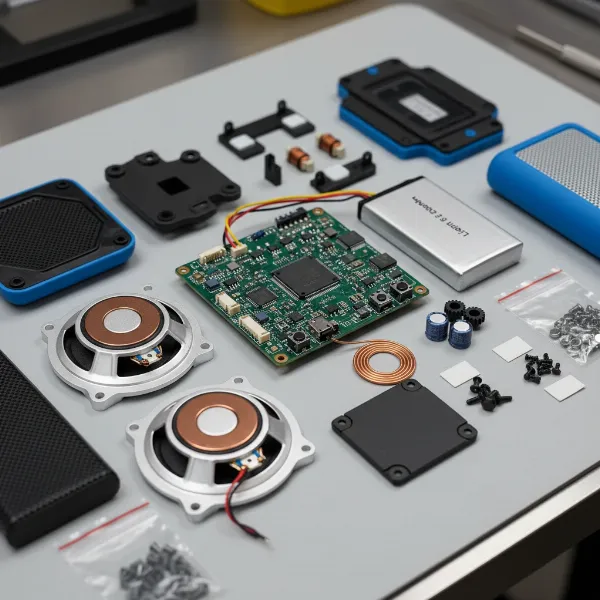 Detailed view of a disassembled Bluetooth speaker showing its internal components like circuit board, battery, and magnets.
Before You Recycle: Consider Other Options
Before you rush to recycle, consider if your Bluetooth speaker might still have some life left or a different purpose. Giving it a second chance is often the most sustainable option.
Repair: Extending Its Lifespan
Is your speaker simply malfunctioning? Many minor issues, such as a loose connection, a worn-out battery, or a software glitch, can often be repaired. Check if your speaker is still under warranty, or consult a local electronics repair shop. Extending the life of your device reduces waste and maximizes the investment you’ve already made.
Donate or Resell: A Second Home for Sound
If your Bluetooth speaker is still in good working condition but no longer meets your needs, consider donating it to a charity, school, or community center. Many organizations accept functional electronics. Alternatively, you could sell it online through marketplaces like eBay, Craigslist, or Facebook Marketplace, or trade it in if retailers offer such programs. Giving your speaker a second home ensures it continues to provide enjoyment without becoming waste.
Repurpose: Creative New Uses
For the DIY enthusiast, even a non-functional speaker might have parts that can be repurposed. The enclosure could be transformed into a storage box, or the internal components could be salvaged for other electronics projects. While this option requires creativity and technical skill, it’s another way to divert waste from landfills.
How to Responsibly Recycle Your Old Bluetooth Speaker
Once you’ve determined that recycling is the best path for your old Bluetooth speaker, it’s essential to follow the right steps to ensure it’s done responsibly. Unlike general household waste, e-waste requires specialized handling.
Step 1: Prepare Your Speaker for Recycling
Before dropping off your speaker, take a few preparatory steps:
- Remove Detachable Cables: Separate any power cords, AUX cables, or charging cables. These can often be recycled with other electronic cables or at the same e-waste facility.
- Remove Batteries (If Possible): Many portable Bluetooth speakers have integrated lithium-ion batteries. If your speaker allows for safe removal of the battery, do so, as batteries often require separate recycling due to their chemical composition. If the battery is not easily removable, the recycling facility will handle it. Never attempt to remove a glued-in or complex battery if you’re not trained, as it can be dangerous.
Step 2: Find a Certified E-waste Recycler
This is often the best and most reliable option for responsible recycling. Certified e-waste recyclers have the expertise and infrastructure to safely dismantle electronics, separate materials, and dispose of hazardous components in an environmentally sound manner.
- Importance of Certification: Look for recyclers with certifications like e-Stewards or R2 (Responsible Recycling). These certifications ensure that facilities adhere to strict environmental and social standards, guaranteeing that your e-waste won’t be illegally exported or improperly disposed of.
- How to Find Them:
- Online Search Tools: Websites like Earth911.com or the EPA’s electronics recycling page provide search tools to locate certified recycling centers by zip code.
- Local Government Websites: Your city or county waste management department often lists local e-waste drop-off locations, collection events, or approved recyclers.
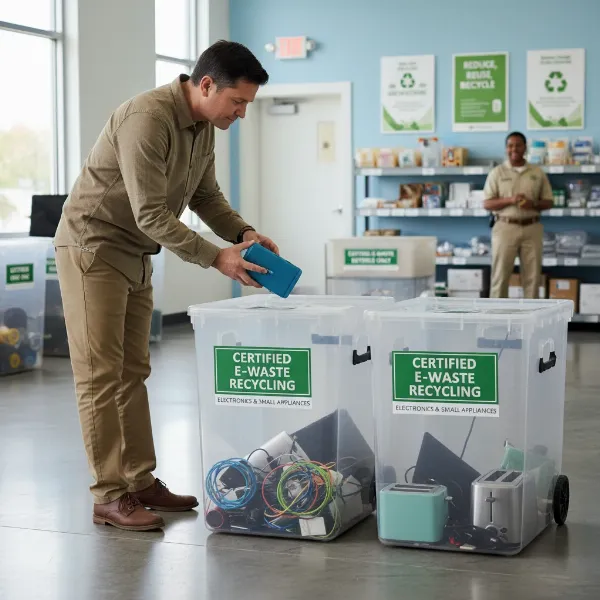 A person disposing of electronic waste, including a Bluetooth speaker, at a certified e-waste recycling drop-off point.
Step 3: Explore Retailer Take-Back Programs
Many large electronics retailers offer convenient recycling programs for various devices, including Bluetooth speakers.
- Major Retailers: Stores like Best Buy and Staples often have in-store recycling bins or customer service desks that accept old electronics. Best Buy, for example, typically accepts Bluetooth speakers for free recycling, often with limits per household per day. Staples also offers free recycling for eligible items.
- Check Policies: Always check the specific retailer’s website or call ahead to confirm their current recycling policies, accepted items, and any potential fees, as these can vary by location and item type. Some retailers might also offer trade-in value for working electronics.
Step 4: Check Manufacturer-Specific Programs
Some electronics manufacturers have their own recycling or take-back programs to manage the end-of-life of their products. This is particularly common for larger brands.
- Brand Websites: Visit the official website of your Bluetooth speaker’s manufacturer (e.g., JBL, Sony, Bose, Anker). Look for sections on “sustainability,” “recycling,” or “product take-back.” These programs ensure your device is handled according to the manufacturer’s environmental commitments.
Step 5: Utilize Community Recycling Events
Keep an eye out for local community e-waste collection events. These events are often organized by municipalities or environmental groups and provide a convenient way for residents to dispose of a wide range of electronics for free. Check your local government’s calendar or waste management website for upcoming dates and locations.
Understanding the E-Waste Recycling Process for Speakers
When you drop off your Bluetooth speaker at a certified facility, it embarks on a journey that diverts it from a landfill and reclaims its valuable components.
Collection and Sorting
E-waste facilities collect various electronic devices. Your speaker will be sorted based on its type and material composition to streamline the recycling process.
Dismantling and Component Separation
Skilled technicians carefully dismantle the speakers, separating different materials. This step is crucial for isolating hazardous components like batteries and circuit boards, ensuring they are handled safely. Metals, plastics, and magnets are also separated.
Material Recovery
Once separated, materials undergo specialized processes:
- Metals: Copper, aluminum, and steel are typically shredded, melted down, and refined so they can be reused in manufacturing new products.
- Magnets: Rare earth magnets are recovered and sent for refining to be used in future electronics.
- Plastics: Depending on the type and purity, some plastics can be shredded and processed into pellets for new plastic products.
- Circuit Boards: These are processed to recover precious metals like gold, silver, and palladium.
Safe Disposal of Hazardous Waste
Any components that cannot be recovered or reused, particularly hazardous materials such as lead solder (in older speakers) or specific chemicals from batteries, are disposed of in strict compliance with environmental regulations, preventing them from contaminating the environment. This rigorous process completes the recycling loop, allowing materials from your old speaker to become raw materials for a new generation of devices.
Common Myths About Speaker Disposal
Navigating electronics disposal can be confusing, and several misconceptions often lead to improper recycling.
Myth: “I can just throw my old Bluetooth speaker in the regular trash or recycling bin.”
Reality: This is perhaps the most dangerous myth. Bluetooth speakers are not like typical household waste or curbside recyclables. They contain a mix of metals, plastics, and potentially hazardous components like lithium-ion batteries and lead solder, none of which are meant for standard landfills or conventional recycling streams. These items require specialized processing to prevent environmental contamination and recover valuable materials. Tossing them in the trash is illegal in many places and contributes to environmental damage.
Myth: “All plastics in a speaker can be easily recycled.”
Reality: While plastics are present in speakers, not all plastics are created equal, and not all are easily recyclable. Speakers often use different types of plastics, some of which are difficult to separate, while others might be blended with other materials. While some plastic components can be recovered, the process is more complex than recycling a plastic bottle, and the reuse potential for certain speaker plastics can be limited without specialized equipment.
“Every Bluetooth speaker, no matter how small, contains valuable resources and potential pollutants. Choosing to recycle responsibly is a simple act with a massive environmental impact, ensuring these materials re-enter the economy and stay out of our ecosystems.” – Dr. Jane Doe, Environmental Scientist specializing in E-Waste Management
Conclusion
Saying goodbye to an old Bluetooth speaker doesn’t have to mean sending it to a landfill. As a responsible consumer, you have the power to make an environmentally conscious choice that benefits both our planet and future generations. By understanding the valuable materials and potential hazards contained within these devices, you’re empowered to take action. Whether you choose a certified e-waste recycler, a convenient retailer take-back program, or a community event, ensuring your old speaker is properly processed is a crucial step towards reducing electronic waste.
The journey of your old speaker, from your living room to a specialized recycling facility, contributes to a vital circular economy—where resources are reused, pollution is minimized, and precious materials are conserved. So, as you upgrade to your next audio companion, consider the legacy of your old one. How will you ensure your retired Bluetooth speaker contributes to a healthier planet?
Frequently Asked Questions
What makes Bluetooth speakers difficult to recycle through regular channels?
Bluetooth speakers contain a complex mix of materials, including various plastics, valuable metals (copper, aluminum, rare earth magnets), and circuit boards, often with integrated lithium-ion batteries. These components require specialized equipment and processes to safely separate, recover, and dispose of, making them unsuitable for standard curbside recycling or landfills.
Can I just remove the battery and throw the rest of the speaker away?
No, even without the battery, the remaining speaker components contain recyclable metals and plastics, along with other elements that should be handled by an e-waste facility. While removing the battery (if safely possible) is a good first step, the entire device still needs to be recycled properly.
How do I find a certified e-waste recycling center near my location?
You can find certified e-waste recycling centers by using online search tools like Earth911.com or the EPA’s electronics recycling website. You can also check your local city or county government’s waste management department website for information on local drop-off sites or collection events.
Are there any costs associated with recycling Bluetooth speakers?
Many certified e-waste recyclers and retailer take-back programs (like Best Buy or Staples) offer free recycling for Bluetooth speakers. However, some facilities or programs might charge a small fee, especially for larger or more complex electronic items. It’s always best to check their policies beforehand.
What happens to the materials recovered from recycled Bluetooth speakers?
The materials recovered, such as copper, aluminum, steel, and rare earth magnets, are processed (melted, refined, shredded) and then sent back into manufacturing streams. They can be used to create new electronic devices, appliances, or other products, reducing the need for new raw material extraction.
Should I wipe any personal data from my Bluetooth speaker before recycling?
While Bluetooth speakers typically don’t store extensive personal data like phones or computers, it’s always a good practice to perform a factory reset if your speaker has any built-in memory or user settings, especially if it connects to voice assistants or smart home ecosystems.
Is donating an old Bluetooth speaker always better than recycling it?
Donating a functional Bluetooth Speaker is often the most environmentally friendly option as it extends the product’s lifespan and keeps it out of the waste stream longer. However, if the speaker is broken beyond repair, recycling becomes the responsible choice to recover materials and manage hazardous components.