Maintaining the pristine condition of your speakers is crucial, not just for aesthetics but also for preserving optimal sound quality. Over time, dust, grime, and even sticky residues can accumulate on speaker mesh and grills, potentially muffling audio and diminishing your listening experience. However, cleaning these delicate components requires a careful approach to avoid inadvertently damaging the sensitive drivers beneath. This guide will walk you through the safest and most effective methods to clean your speaker mesh, ensuring your audio equipment continues to look and sound its best.
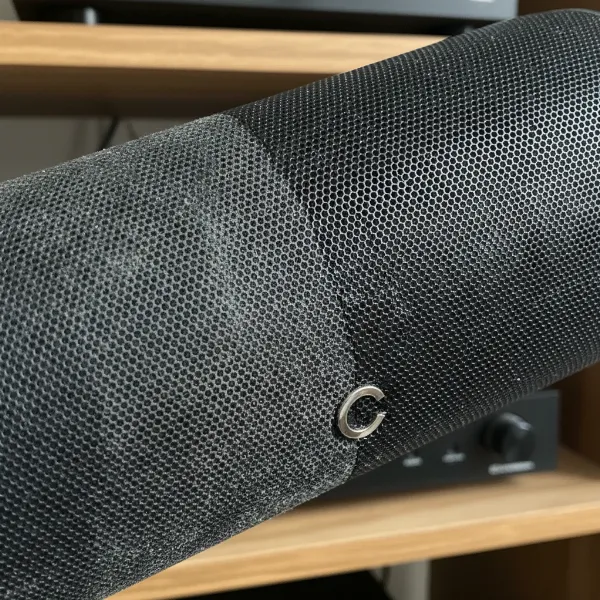 Close-up of a speaker mesh, half clean, half dusty, demonstrating the visual and acoustic benefits of cleaning.
Why Speaker Mesh Cleaning Matters
Your speaker mesh or grill acts as a protective barrier for the intricate speaker drivers, safeguarding them from physical damage and dust. While essential, this protective layer can also become a trap for airborne particles, pet hair, and environmental pollutants. A build-up of these elements can impede sound waves, leading to distorted or muffled audio. Furthermore, a dirty mesh detracts from the overall appearance of your speakers, making them look neglected. Regular, proper cleaning not only enhances the visual appeal but also helps maintain the speaker’s acoustic performance and extends its lifespan.
Understanding Your Speaker Mesh: Removable vs. Non-Removable
Before you begin cleaning, it’s vital to identify the type of speaker mesh you’re dealing with. This distinction largely dictates the safest cleaning approach.
- Removable Grills: Many speakers feature grills that can be detached from the main enclosure. These are typically held in place by magnets, pegs, or a friction fit. Removing the grill offers the most thorough cleaning opportunity, as it completely separates the mesh from the sensitive drivers, minimizing any risk of moisture or debris impacting the internal components.
- Non-Removable Grills: Some speakers, especially certain portable or sealed designs, have grills that are permanently affixed. Cleaning these requires extra caution to ensure no liquids or excessive pressure reach the drivers through the mesh openings.
Always consult your speaker’s manual if you’re unsure whether your grills are removable or for specific cleaning recommendations from the manufacturer.
Essential Tools for a Safe Clean
Gathering the right tools before you start will make the cleaning process smoother and safer. Avoid harsh abrasives or strong chemical cleaners unless specifically recommended by the manufacturer.
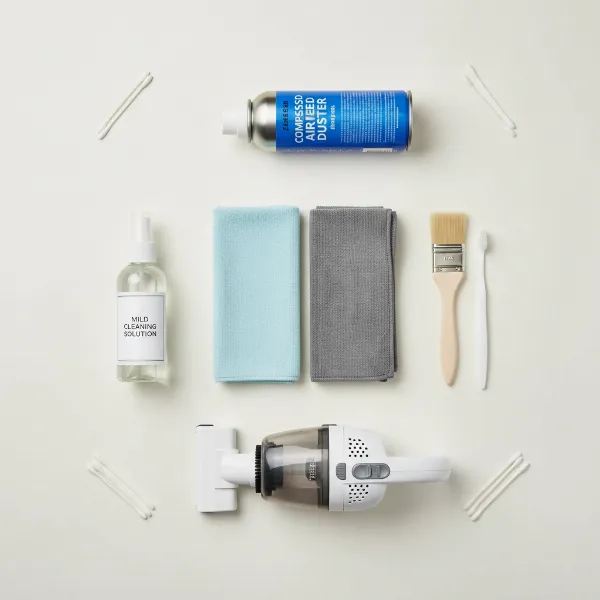 A collection of essential speaker cleaning tools, including microfiber cloths, soft brushes, and a vacuum attachment, neatly arranged.
- Soft Microfiber Cloths: Ideal for dusting and gentle wiping without scratching surfaces.
- Soft-Bristle Brush: A clean paintbrush, an unused soft toothbrush, or a specialized electronics cleaning brush can dislodge stubborn dust and particles from mesh weaves.
- Feather Duster: Effective for light, superficial dusting.
- Vacuum Cleaner with Soft Brush Attachment: A low-power setting is crucial. This helps draw out embedded dust from fabric grills.
- Compressed Air or Air Blower: Excellent for blowing dust out of tight crevices and mesh openings without physical contact.
- Mild Cleaning Solution: A mixture of distilled water and a tiny drop of mild dish soap, or a dedicated electronics cleaner. Always test in an inconspicuous area first.
- Cotton Swabs: Useful for precision cleaning in tight corners or around buttons.
Step-by-Step Guide to Cleaning Your Speaker Mesh
The cleaning method will vary depending on whether your speaker grills are removable.
For Removable Speaker Grills
|
Our Picks for the Best Bluetooth speaker in 2026
As an Amazon Associate I earn from qualifying purchases.
|
||
| Num | Product | Action |
|---|---|---|
| 1 | Bluetooth Speaker with HD Sound, Portable Wireless, IPX5 Waterproof, Up to 20H Playtime, TWS Pairing, BT5.3, for Home/Party/Outdoor/Beach, Electronic Gadgets, Birthday Gift (Red) |

|
| 2 | Anker Soundcore 2 Portable Bluetooth Speaker with Stereo Sound, Bluetooth 5, Bassup, IPX7 Waterproof, 24-Hour Playtime, Wireless, Speaker for Home, Outdoors, Travel |
|
| 3 | Anker Soundcore 2 Portable Bluetooth Speaker with Stereo Sound, Bluetooth 5, Bassup, IPX7 Waterproof, 24-Hour Playtime, Wireless, Speaker for Home, Outdoors, Travel- Navy Blue |
|
| 4 | Bluetooth Speaker with HD Sound, Portable Wireless, IPX5 Waterproof, Up to 20H Playtime, TWS Pairing, BT5.3, for Home/Party/Outdoor/Beach, Electronic Gadgets, Birthday Gift (Pink) |
|
| 5 | Bluetooth Speaker with HD Sound, Portable Wireless, IPX5 Waterproof, Up to 20H Playtime, TWS Pairing, BT5.3, for Home/Party/Outdoor/Beach, Electronic Gadgets, Birthday Gift (Black) |
|
| 6 | Bluetooth Speaker with HD Sound, Portable Wireless, IPX5 Waterproof, Up to 20H Playtime, TWS Pairing, BT5.3, for Home/Party/Outdoor/Beach, Electronic Gadgets, Birthday Gift (Teal) |
|
| 7 | Soundcore Anker 2 Portable Bluetooth Speaker with Stereo Sound, Bluetooth 5, Bassup, IPX7 Waterproof, 24-Hour Playtime, Wireless, Speaker for Home, Outdoors, Travel |
|
| 8 | Anker Soundcore 2 Portable Bluetooth Speaker with Stereo Sound, Bluetooth 5, Bassup, IPX7 Waterproof, 24-Hour Playtime, Wireless, Speaker for Home, Outdoors, Travel |
|
| 9 | Anker Soundcore 2 Portable Bluetooth Speaker with Stereo Sound, Bluetooth 5, Bassup, IPX7 Waterproof, 24-Hour Playtime, Wireless, Speaker for Home, Outdoors, Travel |
|
| 10 | Bluetooth Speaker with HD Sound, Portable Wireless, IPX5 Waterproof, Up to 20H Playtime, TWS Pairing, BT5.3, for Home/Party/Outdoor/Beach, Electronic Gadgets, Birthday Gift (Blue) |
|
This method offers the most comprehensive clean with the least risk to your drivers.
- Safely Remove the Grill: Gently unfasten the grill from your speaker. If it’s held by magnets, pull softly. For pegs, carefully pry around the edges. Set the speaker cabinet aside in a safe place.
- Dust Thoroughly: Start by using a feather duster or a dry microfiber cloth to remove loose dust and debris from the grill. Work gently to avoid pushing particles deeper into the mesh.
- Vacuum (Low Power): For fabric grills with embedded dust, use a vacuum cleaner with a soft brush attachment on its lowest power setting. Carefully run the attachment over the grill, allowing the suction to lift out the dust. Avoid excessive pressure.
- Deep Clean (if necessary): If there are visible stains or stubborn grime, lightly dampen a microfiber cloth with your mild cleaning solution (water with a tiny bit of soap). Wring the cloth thoroughly until it’s barely damp, then gently wipe the affected areas. Do not soak the grill. For tougher spots, a soft-bristle brush dipped lightly in the solution can help agitate the dirt.
- Dry Completely: After cleaning, shake off any excess water. Air-dry the grill thoroughly in a well-ventilated area. You can also use a fan or a hairdryer on a cool setting to speed up the process. Ensure the grill is completely dry before reattaching it to the speaker. Any residual moisture can damage the drivers or cause mold growth.
- Reattach the Grill: Once fully dry, carefully reattach the grill to your speaker, ensuring it’s securely in place.
For Non-Removable Speaker Grills
When grills cannot be removed, precision and minimal moisture are key to protecting your speaker drivers.
- Turn Off and Unplug: Always ensure your speaker is turned off and unplugged from any power source before cleaning to prevent electrical hazards.
- Gentle Dusting: Begin with a dry microfiber cloth or a soft-bristle brush to gently sweep away loose dust and particles from the mesh surface. Work slowly and methodically.
- Carefully Vacuum (Very Low Power): If dust is trapped within the mesh, use a vacuum cleaner with a soft brush attachment on the absolute lowest power setting. Hold the attachment slightly above the mesh and move it carefully, letting the suction draw out the dirt without making direct contact with the mesh or drivers.
- Spot Clean with Minimal Dampness: For light smudges or stains, very lightly dampen a cotton swab or the corner of a microfiber cloth with distilled water or your mild cleaning solution. Squeeze out all excess liquid until it’s almost dry. Gently dab and wipe only the stained area, taking extreme care not to allow any liquid to drip into the speaker’s interior.
- Use Compressed Air for Crevices: For dust trapped in small perforations or around the edges of the mesh, use short, controlled bursts of compressed air. Hold the can upright and at a distance to avoid introducing moisture or propellant directly into the speaker.
- Dry Thoroughly: After any damp cleaning, allow the speaker to air dry completely before plugging it back in or turning it on. You can use a fan to assist with drying.
Tackling Different Types of Grime
Different types of dirt require slightly different approaches for effective removal.
- Dust & Lint: For superficial dust and lint, dry methods like dusting with a microfiber cloth, feather duster, or a soft brush are usually sufficient. A vacuum cleaner on a low setting is excellent for embedded particles.
- Light Stains/Smudges: A microfiber cloth barely dampened with a mild soap solution is effective for most light stains. Remember to wipe gently and avoid rubbing too hard, especially on fabric mesh.
- Stubborn Grime (e.g., sticky residue, heavy dirt): For tougher stains, consider specialized cleaners like automotive upholstery foam cleaner (for fabric) or a small amount of rubbing alcohol on a lint-free cloth. Always test these cleaners on an inconspicuous area of the mesh first to ensure they don’t cause discoloration or damage. A soft-bristle brush can help dislodge dried-on grime from fabric weaves. “When tackling stubborn grime, the key is patience and testing. A small, often-overlooked spot can reveal if a cleaner will harm your speaker’s finish before you apply it broadly.” – David Chen, Senior Audio Engineer.
What to Absolutely AVOID When Cleaning
To protect your speaker drivers and the integrity of your mesh, steer clear of these common mistakes:
- Spraying Liquids Directly: Never spray water, cleaning solutions, or compressed air directly onto the speaker mesh, especially if it’s non-removable. This can force liquid or debris into the drivers, causing irreversible damage.
- Excessive Moisture: Even with removable grills, avoid soaking the mesh. Too much moisture can warp fabric, corrode metal, or damage adhesive.
- Harsh Chemicals: Bleach, ammonia-based cleaners, abrasive cleaners, or strong solvents can discolor, degrade, or dissolve the mesh material and potentially damage internal components.
- Abrasive Tools: Wire brushes, rough sponges, or stiff cloths can scratch metal grills or fray fabric mesh. Stick to soft materials.
- Pressing Too Hard: Applying excessive pressure to the mesh can deform it or, worse, push debris directly onto the speaker cones.
- Not Testing Cleaning Solutions: Always test any new cleaning solution on a small, hidden area of the mesh first to ensure it doesn’t cause damage or discoloration.
- Reattaching/Powering On Before Fully Dry: Moisture is the enemy of electronics. Ensure every part is completely dry before reassembly or powering up.
Regular Maintenance Tips for Longevity
Preventative care is the best way to keep your speaker mesh clean and your speakers in top condition.
- Frequent Light Dusting: A quick pass with a dry microfiber cloth or feather duster once a week can prevent significant dust build-up.
- Strategic Placement: Position your speakers away from open windows, high-traffic areas, and sources of airborne particles like humidifiers or cooking fumes, if possible.
- Using Protective Covers: If your speakers are exposed to environments prone to heavy dust or pet hair, consider using custom-fit dust covers when they are not in use.
Conclusion
Cleaning your speaker mesh is an essential part of audio equipment maintenance, contributing to both aesthetic appeal and optimal sound reproduction. By understanding the distinction between removable and non-removable grills, employing the right tools, and following gentle, methodical steps, you can safely remove dust and grime without risking damage to the delicate speaker drivers. Always prioritize caution, minimal moisture, and appropriate cleaning agents to ensure your speakers deliver crisp, clear audio for years to come. What are your go-to preventative measures to keep your speaker mesh sparkling clean?
Frequently Asked Questions
How often should I clean my speaker mesh?
The frequency depends on your environment. In dusty homes or homes with pets, a light dusting once a week is advisable, with a deeper clean every 1-3 months. For cleaner environments, every 3-6 months may suffice.
Can I use rubbing alcohol to clean all types of speaker mesh?
Rubbing alcohol can be effective for stubborn stains on some materials, particularly metal. However, always test it on an inconspicuous area first, especially on fabric mesh, as it can potentially cause discoloration or damage.
What if my speaker mesh is moldy?
Mold indicates a moisture problem. For minor mold, a very lightly dampened cloth with a diluted solution of white vinegar can be tried (test first). For significant mold, it’s best to consult a professional, as mold can affect sound quality and potentially pose health risks.
Is it safe to use a vacuum cleaner on non-removable speaker grills?
Yes, but with extreme caution. Use only a handheld vacuum or a standard vacuum with a soft brush attachment on the absolute lowest power setting. Hold it slightly above the mesh to avoid direct contact, which could damage the drivers.
Can I wash removable fabric speaker grills in water?
Some removable fabric grills can be gently hand-washed with mild soap and water, but you must ensure they are fully suitable for washing (check your speaker’s manual). Avoid soaking the frame or adhesive areas, and ensure they are completely air-dried before reattaching.
Will cleaning my speaker mesh improve sound quality?
Yes, a clean speaker mesh can improve sound quality by allowing sound waves to pass through unobstructed. Accumulated dust and grime can muffle high frequencies and reduce overall clarity, making cleaning a worthwhile endeavor for audiophiles.